
optimized model processes images faster than real-time on low-powered edge hardware in the field
single model now deployable across diverse crop types, eliminating separate configurations per field
automated weeding precision reduces reliance on manual labor and environmentally harmful pesticides
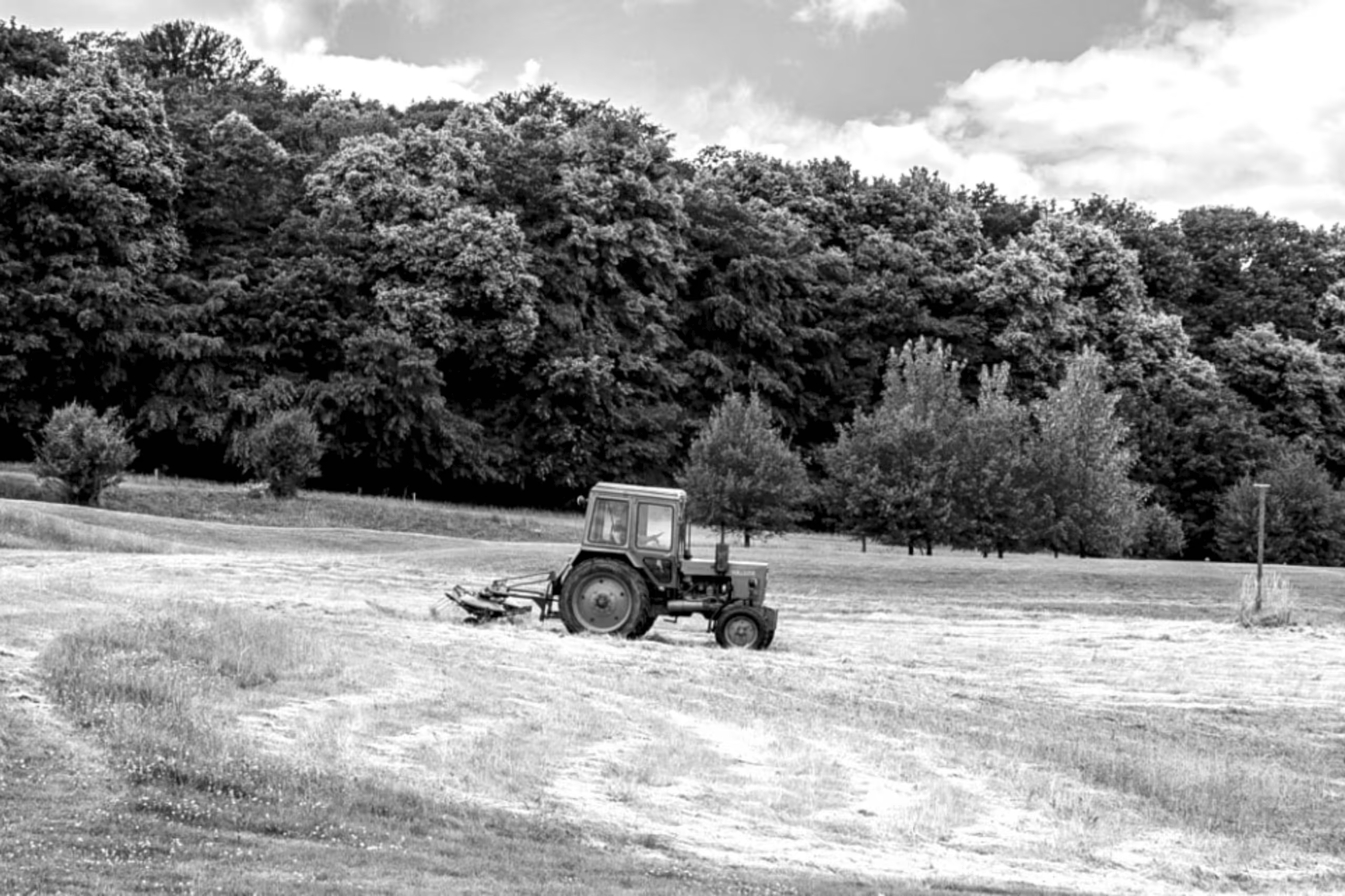
A major agricultural firm, a leader in innovative farming technologies, sought OneSix’s expertise to enhance its autonomous robotic weeding solution. The company’s robots, designed to selectively remove weeds while preserving valuable crops, required a highly accurate vision system that could function effectively on low-powered edge hardware in the field. While the initial crop detection model could distinguish between crops and weeds, it struggled to meet performance demands, particularly in terms of speed and accuracy. This created limitations in the field, where both real-time processing and accuracy are critical for efficient operations and reducing reliance on costly manual labor and environmentally harmful pesticides.
OneSix collaborated closely with the agricultural firm’s internal teams to understand the unique challenges and nuances of autonomous weeding, particularly the need to balance high-speed processing with accuracy on edge devices.
To address these requirements, we designed an optimized machine learning model that leverages state-of-the-art techniques in object detection, enabling it to run quickly on edge hardware without sacrificing accuracy. Through careful tuning, we achieved a model that could process images faster than real-time and maintain, or even exceed, the detection accuracy of the original model.
In addition to building the core model, OneSix broadened the project’s scope to introduce additional features that further increased the robustness and versatility of the robotic weeding solution:
The optimized crop detection model delivered substantial improvements in both speed and accuracy, meeting the demands of real-time, edge-based processing. The integration of multi-crop detection, unannotated image search, and generative image training provided significant benefits, allowing the autonomous robots to perform reliably across different crops and environments. By automating complex weeding tasks, the model enables the agricultural firm to reduce manual labor costs and minimize pesticide use, supporting sustainable farming practices.
With this advanced, adaptable machine learning platform, the agricultural firm is now equipped to deploy its robotic weeding solution at scale, enhancing operational efficiency and promoting environmentally friendly practices in the agricultural sector. The success of this project highlights the transformative potential of machine learning in addressing complex agricultural challenges, showcasing how AI-driven innovation can drive meaningful impact in real-world applications.
More to explore

OneSix developed an AI-powered computer vision system for Sunsweet Growers, automating prune inspection with real-time defect detection while preserving high product quality standards.

OneSix built an enterprise data governance program and data marketplace giving clinical, research, and IT teams trusted access to data across core platforms.

By consolidating data into a cloud-based data warehouse, OneSix empowered a 3PL provider to achieve real-time, accurate reporting, streamline inventory planning, and enhance operational efficiency.