Four business days. That's how long it took to put a fully functioning Snowflake environment in front of a higher education client: full account configuration, a higher-ed data model, ingestion and transformation pipelines, three dashboards, and documentation. On day four, they weren't marking up a requirements doc. They were clicking through working dashboards.
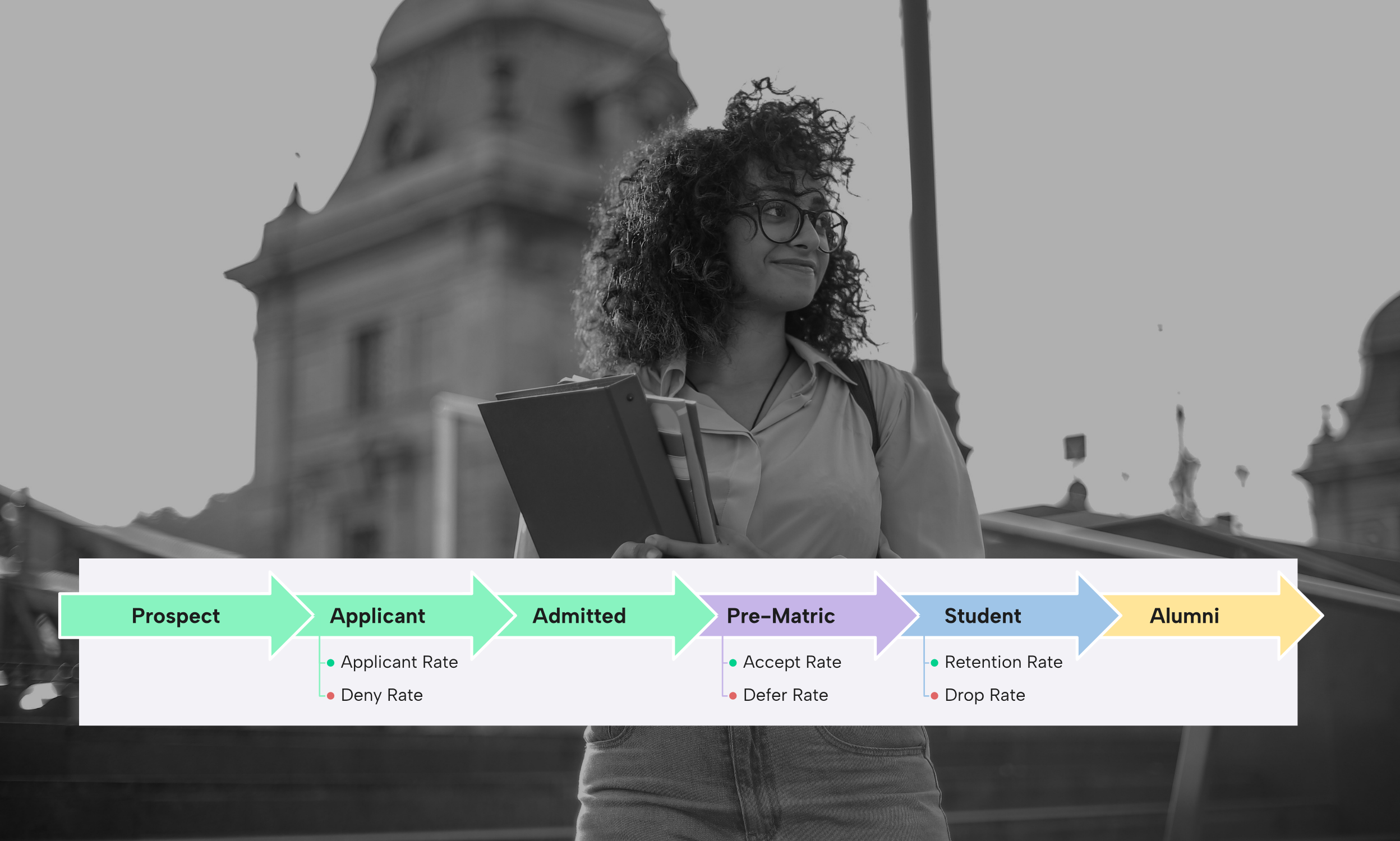
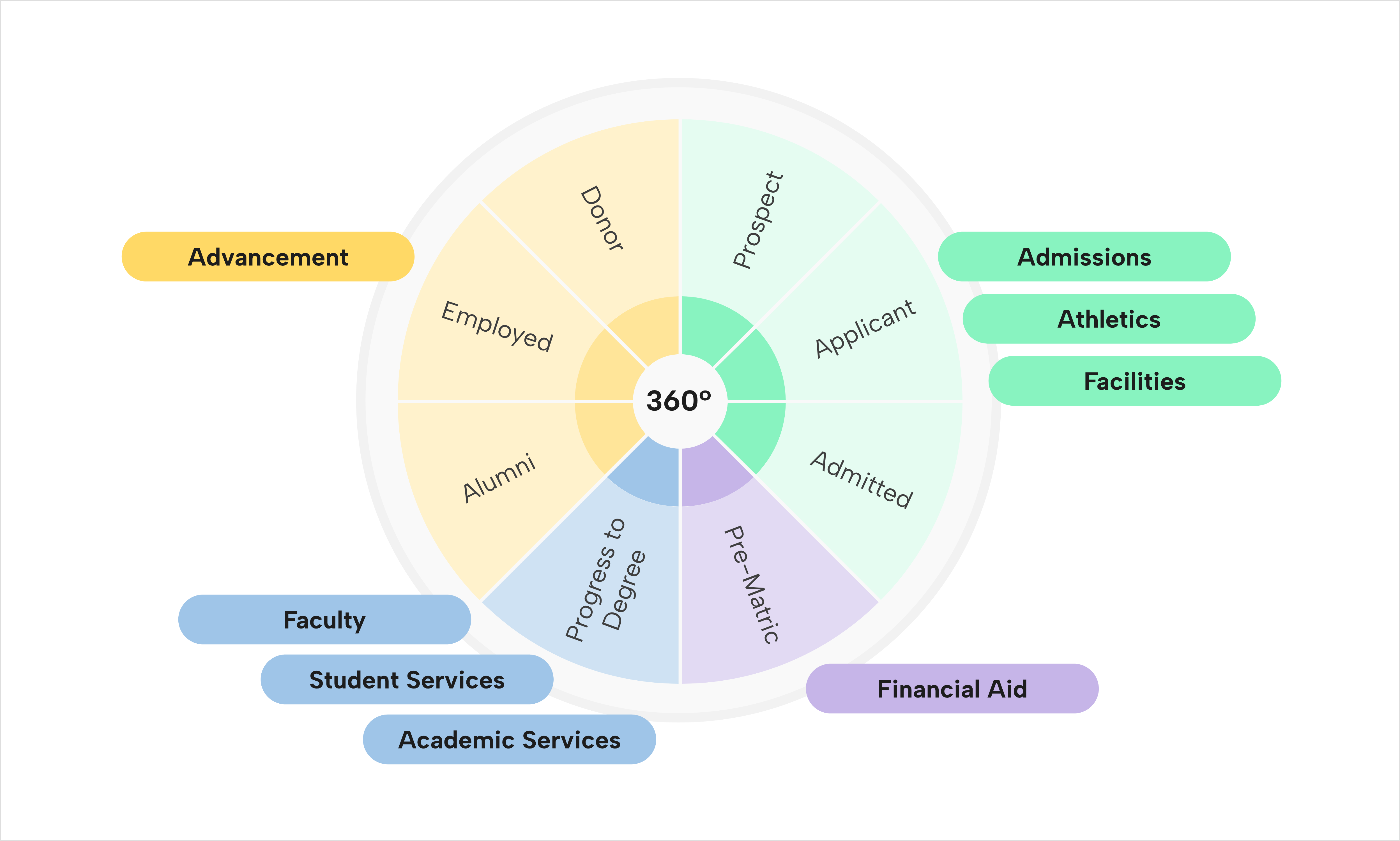
Comprehensive data platforms span the entire student lifecycle, and the source data behind that lifecycle can live in 50 or more systems: admissions, SIS, LMS, advancement, finance, HR, institutional research, and more.
Bringing all of that together into one governed, trustworthy model is a journey measured in months, not days. What we built in four days should be thought of as a pilot: a production-ready environment and a first working slice of the model, put in front of the client early enough for them to react to something real.
The point of moving fast is to have real conversations about real outcomes. Two things made that possible:
AI accelerated both. Neither would have worked without the higher education domain expertise underneath.
The pilot delivered:
It's a foundation and a real starting point, not the finished, fully-sourced data platform. That comes next, and it comes over time.
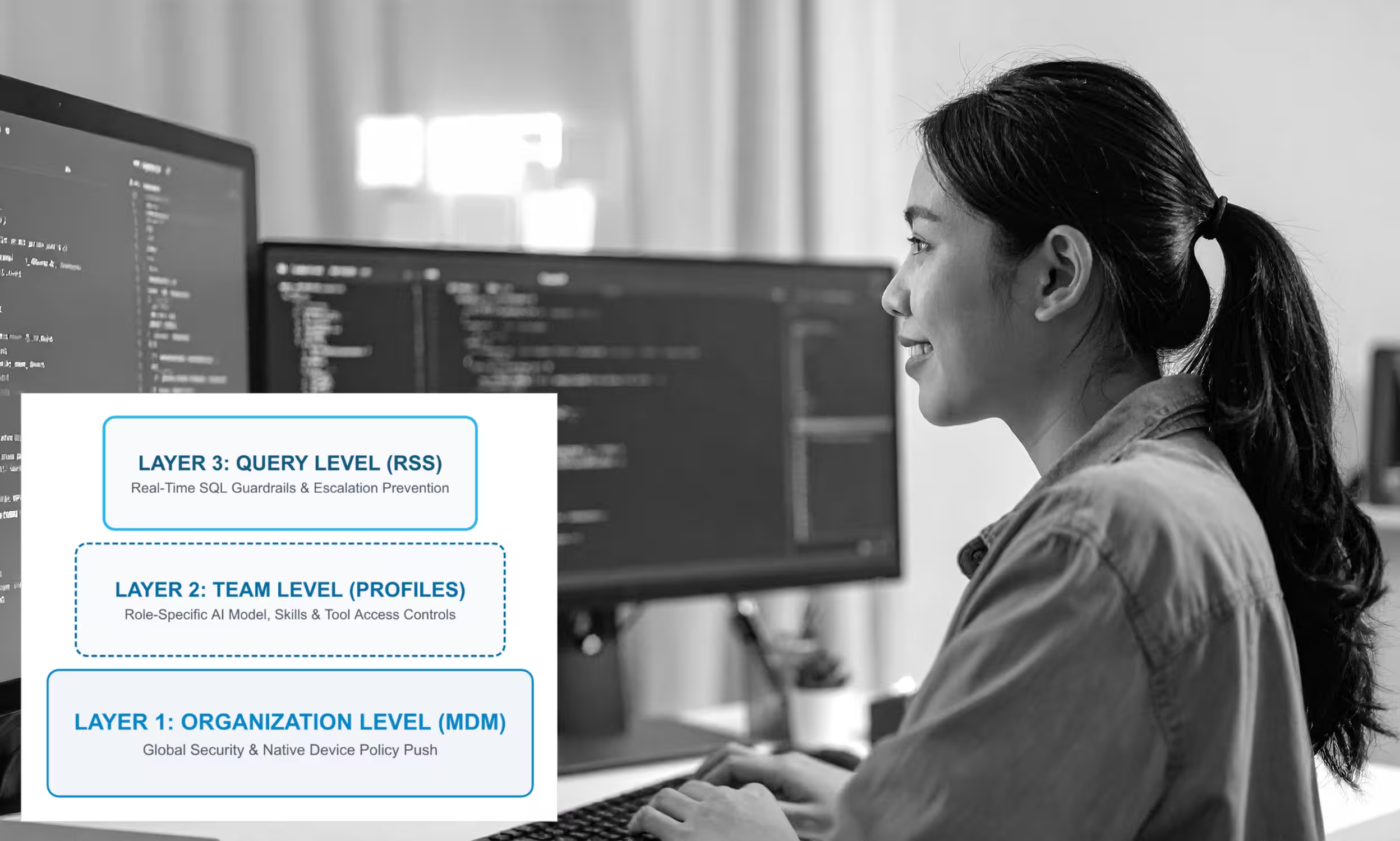
The account setup is the part most teams spend the first week or two of a project getting wrong. Early decisions there are hard to undo are:
We don't improvise that. Account setup is productized as our Snowflake Quickstart Accelerator — a production-ready environment with RBAC, security, and cost controls configured right the first time, deployed in a day and powered by Snowflake's CoCo.
So before this engagement even started, the hardest-to-reverse decisions were already made and repeatable. Day one wasn't about discovery; it was a deployment.
Standing up an environment fast only matters if you know what goes in it. A team without higher education context would have spent weeks in discovery before writing a line of code, working to understand:
We've answered those questions across dozens of engagements. OneSix has deep roots in higher education — students, faculty, alumni, finance, HR, institutional research, and administration — and that institutional knowledge is the foundation the four-day sprint was built on.
We walked in leveraging our own higher education domain model and student lifecycle framework: which data sources matter, which KPIs to surface first, and what "good" looks like for a higher education audience. The discovery was largely done before we started. That's years of work paying off.
.png)
Snowflake's CoCo is an AI development assistant embedded directly in the platform. It generates and iterates on SQL, Python, and pipeline logic from natural language, without leaving Snowflake. For us, it compressed the translation layer between "here's what the business needs" and "here's the working code."
A concrete example from this engagement: we used CoCo skills to configure account setup scripts based on the nuances we run into again and again: custom roles and permissions, databases, compute warehouses, common security frameworks. After a short conversation with the client, we can have the environment ready for data developers in minutes.
But iron sharpens iron. CoCo accelerates execution; it doesn't replace judgment. If you don't know what you're building or why, it just gets you to the wrong answer faster. Our domain expertise supplies the judgment. CoCo lets us move on that judgement quickly.
We build fast because we believe in putting something real in front of clients early. It's a better conversation about a data model when the client can click through a dashboard and say "this is right" or "this is missing something" than when they're marking up a requirements doc.
Speed to a working pilot isn't just efficient — it changes the quality of the feedback you get back, and it lets the whole community around the data react to real models instead of abstractions.
This engagement is a good example of that in practice under our Data Foundations and higher education work. The pilot isn’t the finishline: there's refinement and domain expansion still ahead with this organization. OneSix brings customizable and flexible student, donor, and faculty lifecycle frameworks, and we're doing that refinement from a position of something that already works.
Participants left the presentation with dashboards they could actually react to. That's the goal — not a deliverable list, but something real enough to generate an honest conversation about what comes next.
There's more work ahead for this organization. There always is — that's the nature of a data foundation. But we're doing it from a foundation that took four days to stand up, not four months — and the reason isn't a secret. The setup was solved and repeatable before we arrived, we knew the domain before we walked in, and CoCo helped us move fast once we did.
That combination — a productized foundation, deep domain expertise, and AI that multiplies both — is what we keep investing in at OneSix. Engagements like this one are a good reminder of why.
Want to see what this looks like for your team? It comes down to the same two things that made the first four days possible: